11 Mar 2026
Machine Safety: From Compliance to Risk-Based Protection
Understanding the True Impact of Machine Hazards
Machine safety is often discussed in terms of compliance, but the real driver should be risk reduction. According to the Occupational Safety and Health Administration (OSHA) and U.S. labor statistics, “caught-in or -between” incidents consistently rank among the leading causes of serious workplace injuries. In recent years, these incidents have resulted in dozens of fatalities annually and tens of thousands of cases involving days away from work, job restrictions, or transfers. Amputations linked to machinery continue to affect hundreds of workers each year, many leading to permanent disability.
These figures reinforce a critical message: machine-related injuries are not isolated events — they are predictable and preventable when risks are properly identified and controlled.
Why Machine Guarding Is More Than a Physical Barrier
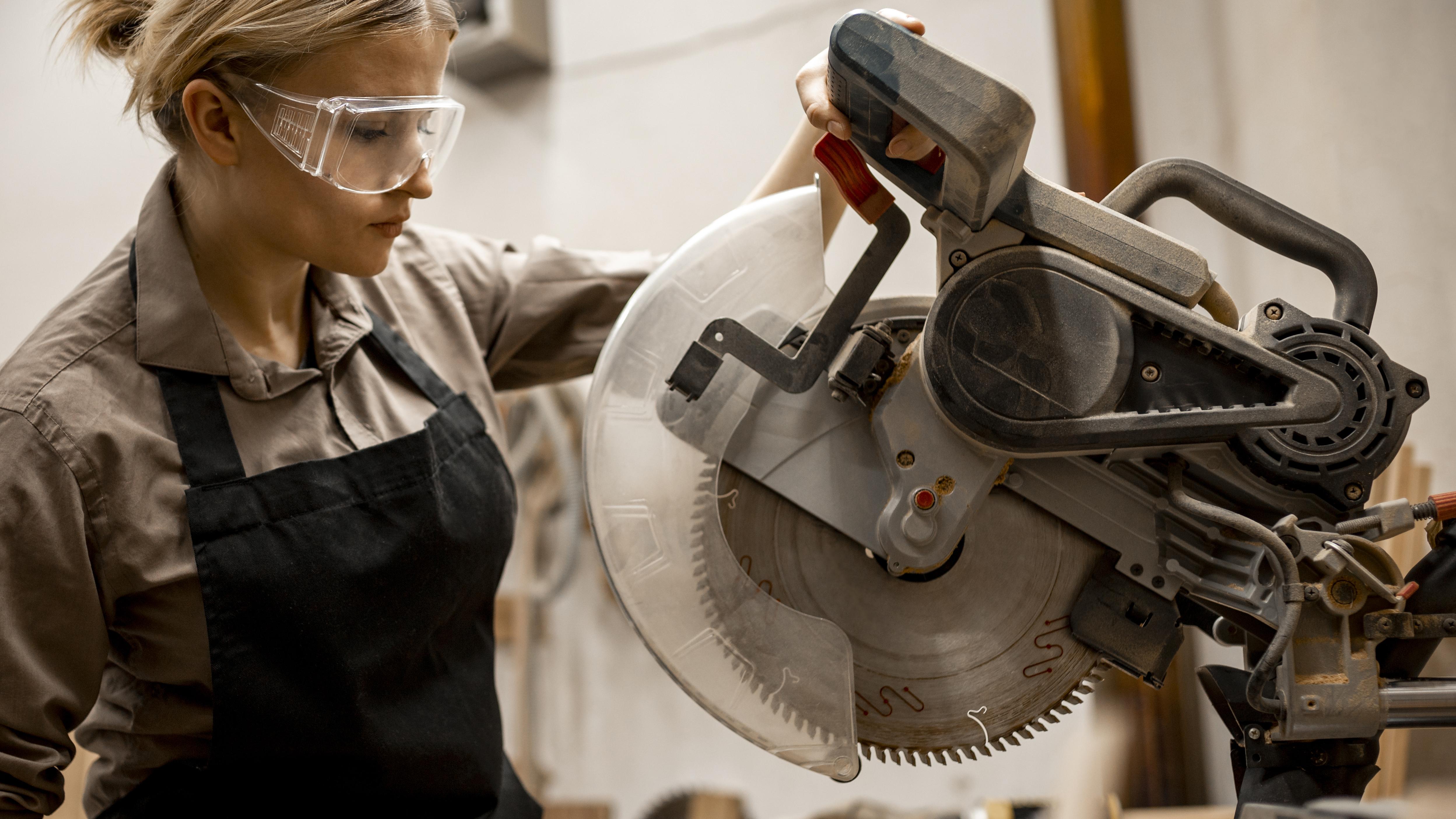
OSHA’s 29 CFR 1910 Subpart O – Machinery and Machine Guarding requires that any machine part, function, or process that may cause injury must be safeguarded. This includes protection from rotating parts, flying debris, sparks, and ingoing nip points.
However, effective machine guarding goes beyond simply installing a metal barrier. Guards must be designed to prevent access to hazard zones, remain secure during operation, and not create additional hazards. They must also support productivity — if guards are difficult to use or interfere with workflow, workers may bypass them, increasing risk.
Common hazards include:
- Rotating shafts and couplings
- Pinch and shear points
- Reciprocating or transverse motion
- Unexpected startup during servicing
When these hazards are not properly controlled, injuries such as crushing, fractures, deep lacerations, and amputations can occur within seconds.
Prioritizing Safety Through Machine Risk Assessments
Rather than applying guards reactively, leading organizations prioritize safety through structured Machine Risk Assessments. A risk-based approach evaluates:
- The severity of potential injury
- The frequency and duration of exposure
- The likelihood of occurrence
- The possibility of avoiding harm
This methodology helps determine which machines require immediate corrective action and which safeguards are most appropriate. It shifts safety from a compliance checklist to a strategic decision-making process.
A thorough risk assessment examines every stage of machine interaction — operation, setup, cleaning, troubleshooting, and maintenance. This ensures hazards are not overlooked during non-routine tasks, where many serious injuries occur.
The Critical Role of Lockout/Tagout (LOTO)
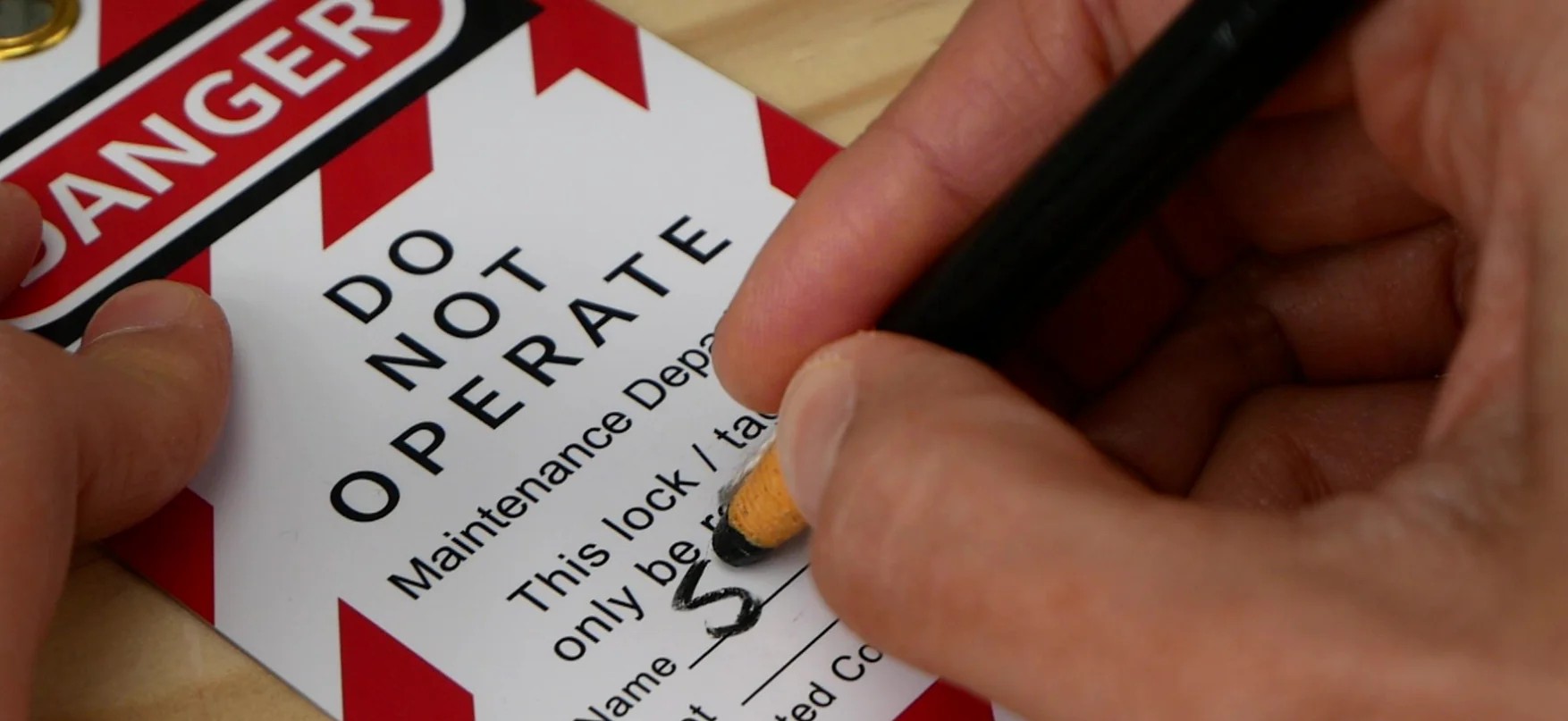
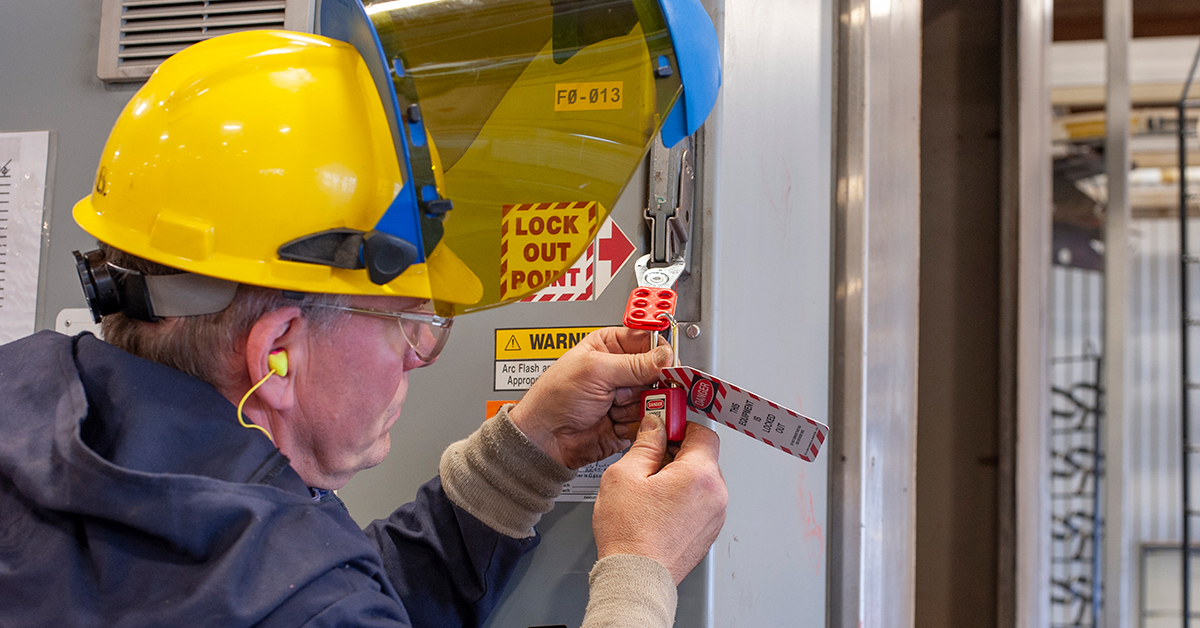
Even the best guarding system cannot protect workers during servicing if energy sources are not controlled. OSHA’s 29 CFR 1910.147 – Control of Hazardous Energy requires employers to implement Lockout/Tagout (LOTO) procedures to isolate electrical, hydraulic, pneumatic, mechanical, and thermal energy before maintenance begins.
Unexpected startup or the sudden release of stored energy remains one of the most dangerous machine-related risks. LOTO violations consistently appear among OSHA’s most cited standards, underscoring the importance of structured energy control programs.
When combined with risk assessments, LOTO procedures ensure that servicing tasks are performed safely and systematically — not based on assumptions or shortcuts.
Integrating Job Safety Assessments (JSAs/JHAs)
Machine safety becomes even stronger when supported by Job Safety Assessments (JSAs) or Job Hazard Analyses (JHAs). These tools break down tasks step by step, identifying hazards and required controls at each stage.
For example, a JSA may identify when a guard must be removed and trigger a mandatory LOTO procedure. By clearly defining responsibilities and controls, JSAs reduce variability in how tasks are performed and reinforce safe behaviors across teams.
Selecting the Right Machine Guard
Choosing the correct guard depends on the risk level and how employees interact with the equipment. Options may include:
- Fixed guards for high-risk areas with minimal access needs
- Interlocked guards that shut down equipment when opened
- Adjustable or self-adjusting guards for variable operations
- Presence-sensing devices such as light curtains for high-frequency access
The right selection balances protection, usability, and operational efficiency. A poorly selected guard may create frustration and non-compliance, while a properly engineered solution enhances both safety and productivity.
Building a Smarter Approach to Machine Safety
Machine safety is not a one-time installation — it is a continuous, risk-based process. OSHA data shows that machine-related injuries remain a serious concern across industries. By combining comprehensive Machine Risk Assessments, properly selected guarding solutions, effective Lockout/Tagout procedures, and structured JSAs or JHAs, organizations can move beyond basic compliance and build a proactive safety culture
OSHEPRO provides a strong EHS management platform to digitize your Machine Risk Assessments (MRA), LOTO procedures, and JHA/JSA plans, enabling organizations to prioritize risk, streamline compliance, and protect their workforce with a smarter, more connected safety approach.

















.png)



.png)


.png)



.jpg)